 Loading...

Department of anti-corruption compliance control
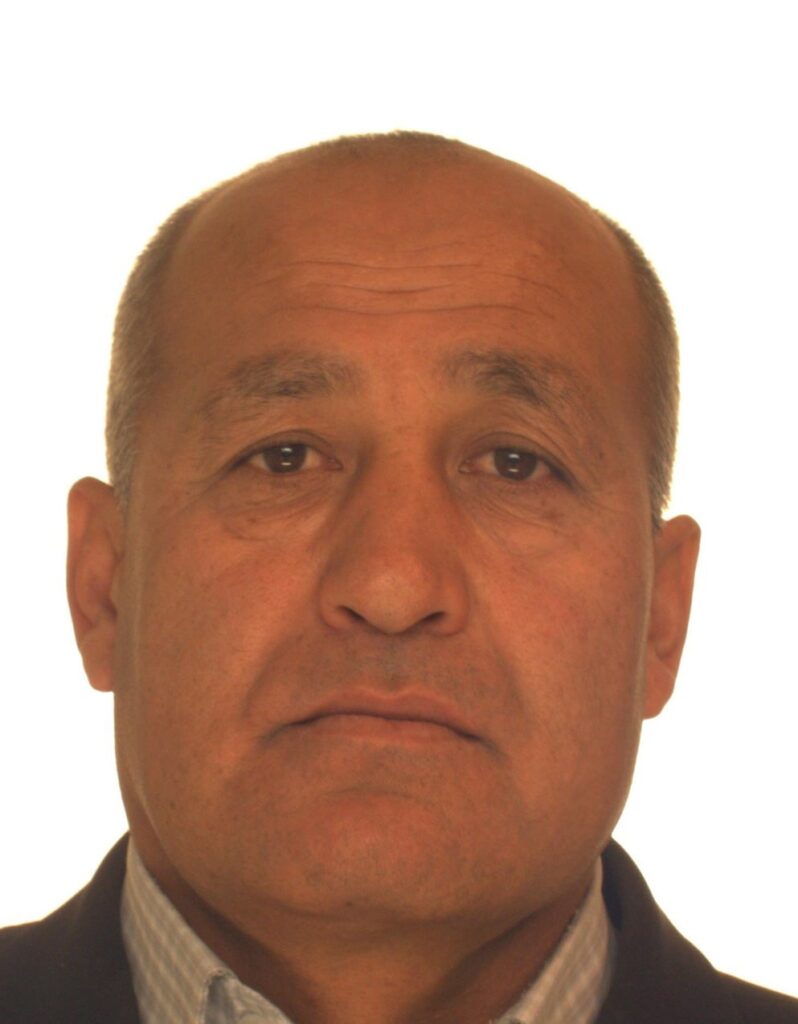
BAINAZAROV ABDURAUP ABDURASHIDOVICH
Job title: Head of the department of anti-corruption compliance control
Accepting days: Monday-Friday 8:00-17:00
Phone: +99897 769 34 49
CHARTER
Department for the Management of the Anti-Corruption Compliance Control System of Almalyk State Technical Institute
I. General provisions
- This Regulation defines the status, main objectives, functions, rights, duties, organization of activities, functional responsibilities, and accountability of the Department of the Anti-Corruption System (hereinafter referred to as “the Department”).
- The Department is a structural subdivision of Almalyk State Technical Institute (hereinafter referred to as “the Institute”).
- The Department’s activities are aimed at managing the “Compliance Control System” within the Institute and combating corruption. Within its competence, it reports directly to the Rector of the Institute and, within the framework of the Ministry of Higher and Secondary Specialized Education (hereinafter referred to as “the Ministry”), is subordinate to the Department for Compliance Control and Anti-Corruption.
- In its activities, the Department is guided by the Constitution and laws of the Republic of Uzbekistan, resolutions of the Oliy Majlis of the Republic of Uzbekistan, decrees, resolutions, and orders of the President of the Republic of Uzbekistan, resolutions and orders of the Cabinet of Ministers, the present Charter, internal orders of the Institute, and other legislative acts.
- The Department carries out its activities in cooperation with other divisions of the Institute.
II. Objectives and functions of the department
- The main objectives of the Department are as follows:
- Prevention and combating of corruption-related offenses within the Institute;
- Ensuring the implementation of measures aimed at realizing the “Sector Without Corruption” project in the higher education system at the sectoral level;
- Introduction and implementation of the “Compliance Control” system to fight corruption within the Institute;
- Identification of areas of high corruption risk in the Institute, as well as the causes and conditions contributing to corruption offenses;
- Reporting on systemic issues leading to corruption in the Institute and submitting appropriate recommendations for their resolution;
- Ensuring the implementation of programs aimed at eliminating the causes and conditions of corruption and improving the effectiveness of anti-corruption measures;
- Coordinating public oversight aimed at combating corruption in the Institute and conducting anti-corruption monitoring using modern methods and information and communication technologies;
- Studying international standards and best foreign practices in combating corruption and public oversight and developing proposals for implementing best practices;
- Organizing sociological, scientific, and other research and preparing proposals on the state, trends, and causes of corruption in the Institute, as well as on the effectiveness of anti-corruption measures;
- Coordinating the anti-corruption activities of the academic lyceum under the Institute.
- To achieve its objectives, the Department performs the following functions:
- Monitors compliance with anti-corruption laws and regulations in the Institute, as well as the decisions and instructions of the Ministry’s Collegium;
- Develops and implements measures and action plans for preventing corruption, ensures their full, high-quality, and timely execution, and prepares reports on results;
- Implements the “Sector Without Corruption” project in the Institute;
- Develops and submits to the Rector draft internal documents aimed at implementing anti-corruption measures within the Institute;
- Prepares proposals to eliminate corruption-prone provisions identified in internal documents;
- Assesses corruption risks in the Institute and develops action plans to mitigate them;
- Reviews complaints and anonymous reports concerning corruption threats or violations committed by academic, administrative, technical, and service staff of the Institute, and takes action as prescribed by law;
- Maintains a register of internal investigations related to corruption cases in the Institute;
- Participates in the analysis of conflicts of interest during public procurement and in verifying the reliability of contractors;
- Monitors conflicts of interest among Institute employees and submits relevant proposals;
- Organizes regular preventive meetings with the teaching staff, administration, technical, and service personnel;
- Conducts surveys among faculty, administrative and technical staff, students (master’s, doctoral, and independent researchers), and the public to identify corruption-related risks;
- Regularly evaluates the impact and effectiveness of anti-corruption awareness activities through surveys and research, and uses the findings to improve future measures;
- Organizes conferences, meetings, seminars, and contests aimed at combating corruption among faculty and students;
- Evaluates the effectiveness of anti-corruption measures implemented within the Institute;
- Studies the causes and conditions of corruption offenses in the sector and develops proposals to eliminate them;
- Ensures regular updates of information on the “Anti-Corruption” section of the Institute’s official website;
- Submits quarterly and ad hoc reports on anti-corruption activities and the corruption situation to the Department for Compliance Control and Anti-Corruption of the Ministry of Higher and Secondary Specialized Education;
- Establishes effective cooperation with the Ministry’s Department for Compliance Control and Anti-Corruption, other government agencies, organizations engaged in anti-corruption work, and parents;
- Supervises anti-corruption activities of the academic lyceum under the Institute;
- Oversees anti-corruption efforts at the Institute and provides analytical reports to the leadership and the Ministry.
III. Rights and responsibilities of the department
- To fulfill its assigned objectives and functions, the Department has the right to:
- Monitor the Institute and its academic lyceum during personnel certification and through direct or video surveillance of student admissions (master’s, doctoral, independent researchers), final, midterm, and graduation assessments to identify corruption risks;
- Request analytical materials, reports, source documents, statistics, and other information from faculty, management, technical, service, and teaching staff of the Institute and its academic lyceum as needed;
- Request and receive assistance from Institute staff in performing its duties and, if necessary, establish working groups;
- Participate in the meetings of the Institute Council;
- Submit proposals to the Rector on issues of compliance control and anti-corruption;
- Conduct inspections within its competence, request documents, obtain written explanations from faculty, management, technical, and service staff, as well as students and researchers; in cases of criminal indicators, notify relevant law enforcement authorities;
- Issue instructions and recommendations to the Institute’s structural units within its scope of activity;
- Exercise other rights provided by law.
- The Department is responsible for:
- Proper and effective performance of assigned tasks;
- Implementation of assigned functions and compliance with executive discipline;
- Timely preparation of documents and materials to inform the Institute’s leadership;
- The state of compliance control and anti-corruption activities at the Institute;
- Timely consideration and resolution of appeals from individuals and legal entities in accordance with the law.
IV. Structure of the department
- The Department consists of the Head of the Department and the Chief Specialist.
- To ensure the independence of the Department, the Head reports directly to the Rector of the Institute, and the Chief Specialist reports to the Head of the Department.
- The Head of the Department is appointed and dismissed by order of the Rector of the Institute in coordination with the relevant ministries and agencies.
- The Chief Specialist of the Department is appointed and dismissed by order of the Rector in accordance with established procedures.
V. Main functional duties of the head and chief specialist
- The main functional duties of the Head of the Department are:
- Provides overall leadership of the Department, organizes its work, and bears full responsibility for fulfilling its assigned tasks and maintaining executive discipline;
- Monitors compliance with anti-corruption legislation and regulations in the Institute;
- Develops measures and action plans to prevent corruption and ensures their full and timely implementation;
- Organizes the implementation of the “Sector Without Corruption” project within the Institute;
- Prepares analytical materials on anti-corruption efforts based on the study of best international practices;
- Establishes effective cooperation with civil society institutions, law enforcement, regulatory bodies, and parents to combat corruption;
- Organizes training and retraining of personnel responsible for compliance control and anti-corruption;
- Supervises the progress of anti-corruption work in the sector and provides analytical reports to management;
- Develops documents related to the Department’s activities, reviews draft documents, and prepares proposals;
- Serves as a member of the Institute Council and participates in its meetings;
- Develops and ensures implementation of measures to improve the Department’s work;
- Considers appeals from individuals and legal entities related to the Department’s activities and ensures compliance with executive discipline;
- Performs other functional duties within his/her competence in accordance with the law.
- The main functional duties of the Chief Specialist are:
- Organizes meetings with faculty, students, and other stakeholders to regularly study problems and areas of increased corruption risk in the sector and determine causes and conditions of corruption offenses;
- Participates in research, audits, analyses, and proposals for developing anti-corruption measures;
- Oversees the creation of educational and methodological materials on anti-corruption, including audio-visual materials, photos, brochures, and booklets;
- Organizes sociological, scientific, and other surveys on the state, trends, and causes of corruption in the sector, as well as the effectiveness of anti-corruption measures;
- In the absence of the Head, coordinates the work of the Department;
- Performs other functional duties within his/her competence in accordance with the law.
VI. Organization of the department’s activities
- The Department carries out its activities in accordance with sectoral legislation, orders of the relevant ministries and agencies, decisions of the Board, resolutions of the Institute Council, this Charter, and its work plans.
- The decisions of the Institute Council, Rector’s orders, and tender documentation are subject to coordination with the Department.
- The Department’s work plan is an integral part of the Institute’s overall work plan and is approved by the Rector.
VII. Final provisions
- The reorganization or liquidation of the Department shall be carried out in accordance with the procedure established by law.